Alloy Metal Knitted Mesh: High-Performance Material for Advanced Industrial Filtration, Shielding, and Sealing Applications
2026-05-15


In modern industrial engineering, the demand for multifunctional materials that offer strength, flexibility, corrosion resistance, and conductivity is continuously increasing. Among these advanced materials, alloy metal knitted mesh has emerged as a highly effective solution widely used in industries such as aerospace, automotive, petrochemical processing, electronics, environmental protection, and energy systems. With its unique structure and superior performance characteristics, alloy metal knitted mesh plays an essential role in filtration, electromagnetic shielding, sealing, vibration absorption, and thermal management applications.

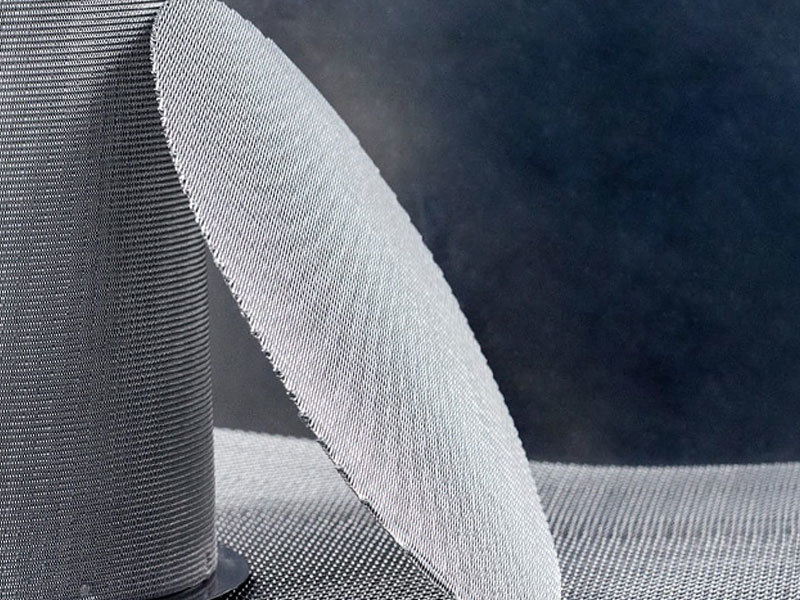
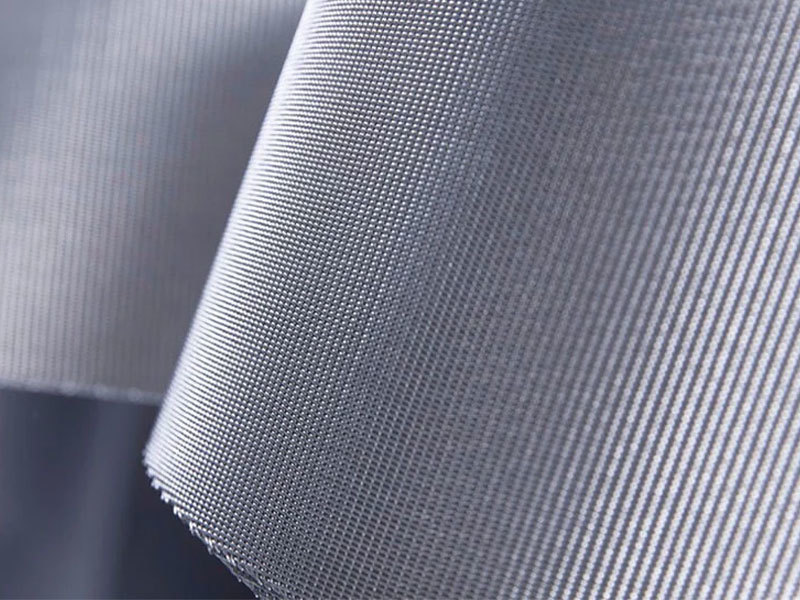
Alloy metal knitted mesh is manufactured by knitting fine alloy metal wires into a flexible, porous mesh structure. The alloys used may include stainless steel, nickel-based alloys, copper alloys, or other specialized metal combinations depending on the application requirements. This knitting process creates a three-dimensional, elastic structure that combines mechanical strength with excellent adaptability. Unlike rigid metal sheets or woven meshes, knitted mesh can be compressed, stretched, and reshaped while maintaining its structural integrity and performance stability.

One of the key advantages of alloy metal knitted mesh is its excellent mechanical strength and durability. The use of high-quality alloy materials ensures strong resistance to corrosion, oxidation, and extreme temperature conditions. This makes the material suitable for harsh industrial environments, including chemical plants, offshore platforms, power generation facilities, and high-temperature processing systems. Its long service life reduces maintenance frequency and operational costs, making it a cost-effective solution for industrial applications.
Filtration is one of the primary uses of alloy metal knitted mesh. Its porous structure allows it to efficiently separate particles, liquids, and gases in various industrial processes. By adjusting wire diameter, knitting density, and layer configuration, manufacturers can customize the mesh to meet specific filtration requirements. It is widely used in air purification systems, liquid filtration units, oil-gas separation systems, and chemical processing equipment. The material’s ability to maintain stable filtration performance under high pressure and temperature conditions makes it highly reliable in critical applications.
In addition to filtration, alloy metal knitted mesh is extensively used for electromagnetic interference (EMI) shielding. In the modern digital era, electronic devices are increasingly sensitive to electromagnetic noise, which can disrupt performance and cause system failures. Alloy metal knitted mesh effectively blocks or reduces electromagnetic waves, protecting sensitive components in communication systems, medical equipment, aerospace electronics, and automotive control units. Its flexibility allows it to be easily integrated into enclosures, gaskets, and sealing systems.
Sealing and gasketing applications represent another important area of use. The compressible nature of alloy metal knitted mesh allows it to conform to irregular surfaces, creating effective seals that prevent leakage of gases, liquids, or dust. This is particularly valuable in high-pressure and high-temperature environments such as engines, turbines, compressors, and industrial machinery. The mesh maintains its elasticity and sealing performance even after repeated compression cycles, ensuring long-term reliability.
Thermal management is also a key function of alloy metal knitted mesh. Many alloy materials used in the mesh offer excellent thermal conductivity and heat resistance. As a result, the mesh is commonly used in heat exchangers, cooling systems, and electronic thermal control applications. It helps dissipate heat efficiently, preventing overheating and improving the operational stability of sensitive equipment. In advanced electronics and power systems, this contributes to improved performance and extended service life.
The manufacturing process of alloy metal knitted mesh involves precision knitting equipment that ensures consistent loop structure and uniform density. High-quality alloy wires are selected based on specific mechanical and chemical requirements. After knitting, the mesh may undergo additional processing such as flattening, cleaning, heat treatment, or surface coating to enhance performance characteristics. Strict quality control procedures are applied throughout production to ensure reliability and consistency.
Environmental sustainability is becoming an increasingly important factor in material selection. Alloy metal knitted mesh supports sustainable development goals due to its durability, recyclability, and long service life. Most alloy metals used in production can be recycled without significant loss of performance, reducing environmental impact and resource consumption. Additionally, the extended lifespan of the material helps minimize waste generation and replacement frequency.
The global market for alloy metal knitted mesh continues to expand as industries adopt more advanced engineering materials. Growth in sectors such as renewable energy, electric vehicles, industrial automation, and telecommunications has increased demand for high-performance filtration and shielding solutions. At the same time, stricter environmental and safety regulations are encouraging the use of durable and efficient materials that can operate reliably under demanding conditions.
Technological innovation is further driving the development of alloy metal knitted mesh. Advances in alloy composition, knitting technology, and surface treatment processes are enabling the production of more specialized and high-performance mesh materials. Emerging applications in smart manufacturing, aerospace engineering, and next-generation electronics are creating new opportunities for this versatile material.
In conclusion, alloy metal knitted mesh is a critical industrial material that combines strength, flexibility, conductivity, and durability. Its wide range of applications in filtration, EMI shielding, sealing, and thermal management makes it indispensable in modern engineering systems. As industries continue to evolve toward higher efficiency, sustainability, and technological sophistication, alloy metal knitted mesh will remain an essential material supporting innovation and industrial progress
TAG:
Related Posts
Information about applications of woven wire mesh



No. 56, Weiyi Road, East of Economic Development Zone, Anping, Hebei, China.