Copper Knitted Mesh: A Versatile Material Driving Innovation in Industrial Filtration and Shielding Applications
2026-05-15


In modern industrial manufacturing, the demand for advanced materials that combine flexibility, conductivity, durability, and multifunctional performance continues to grow. Among these materials, copper knitted mesh has emerged as a highly versatile solution used across a wide range of industries, including electronics, aerospace, automotive, chemical processing, and environmental engineering. Its unique structure and properties make it an essential component in applications requiring electromagnetic shielding, filtration, sealing, and thermal management.

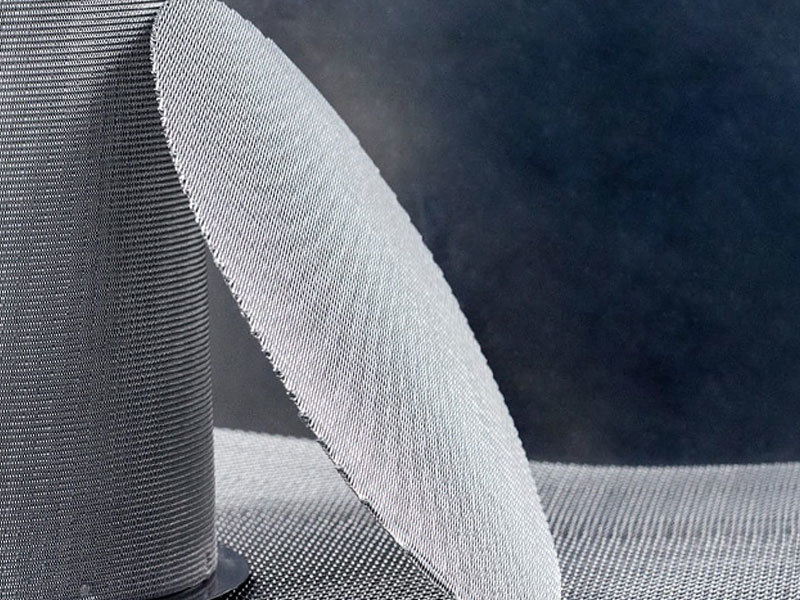
Copper knitted mesh is produced by knitting fine copper wires into a flexible, porous mesh structure. This manufacturing process gives the material its distinctive elasticity, high surface area, and excellent conductivity. Unlike rigid metal sheets or woven meshes, knitted mesh can be easily compressed, stretched, and shaped without losing its structural integrity. This adaptability makes it suitable for complex industrial environments where traditional materials may not perform effectively.

One of the most important characteristics of copper knitted mesh is its excellent electrical conductivity. Copper is widely recognized for its superior ability to conduct electricity and heat, and when formed into a knitted mesh structure, these properties are further enhanced by the increased surface contact area. As a result, copper knitted mesh is widely used in electromagnetic interference (EMI) shielding applications. It effectively blocks or reduces unwanted electromagnetic signals, protecting sensitive electronic equipment from interference and ensuring stable operation.
In addition to EMI shielding, copper knitted mesh is extensively used in filtration systems. Its porous structure allows it to efficiently separate particles, liquids, and gases in industrial processes. The mesh can be engineered with different wire diameters and knitting densities to achieve specific filtration requirements. This makes it suitable for applications such as air filtration, liquid filtration, and gas purification in industries like petrochemicals, pharmaceuticals, and food processing.
Another key application of copper knitted mesh is in sealing and gasketing systems. Due to its compressibility and resilience, the mesh can conform to irregular surfaces, creating effective seals that prevent leakage of air, gas, or liquids. This property is particularly valuable in high-temperature and high-pressure environments, such as engines, turbines, and industrial machinery. The material’s ability to maintain performance under extreme conditions enhances system reliability and efficiency.
Thermal management is another area where copper knitted mesh plays a significant role. Copper’s excellent thermal conductivity allows the mesh to efficiently dissipate heat, making it suitable for use in heat exchangers, cooling systems, and electronic devices. In high-performance electronics, where overheating can lead to system failure, copper knitted mesh helps maintain optimal operating temperatures and improves overall device lifespan.
The flexibility of copper knitted mesh also contributes to its widespread use in industrial design. It can be easily cut, shaped, and layered to meet specific engineering requirements. This adaptability allows manufacturers to integrate the material into customized solutions for specialized applications. Whether used as a standalone component or combined with other materials, copper knitted mesh provides reliable performance and long-term stability.
From a manufacturing perspective, copper knitted mesh is produced using precision knitting machines that ensure consistent quality and uniform structure. The raw copper wire is carefully selected based on purity and diameter to meet application-specific requirements. After knitting, the mesh may undergo additional treatments such as flattening, cleaning, or coating to enhance its performance characteristics. These processes ensure that the final product meets strict industrial standards.
Environmental considerations are also becoming increasingly important in material selection, and copper knitted mesh offers several advantages in this regard. Copper is a recyclable material, and the mesh structure allows for efficient reuse and recycling at the end of its service life. Additionally, its durability reduces the need for frequent replacement, contributing to resource conservation and waste reduction.
The global market for copper knitted mesh continues to expand as industries increasingly adopt advanced materials for improved performance and efficiency. Growing demand for electronic devices, renewable energy systems, and industrial automation has further driven the need for effective EMI shielding and thermal management solutions. At the same time, stricter environmental and safety regulations are encouraging the use of reliable and sustainable materials like copper knitted mesh.
Technological advancements are also shaping the future development of copper knitted mesh. Innovations in material science and manufacturing techniques are enabling the production of finer, more precise mesh structures with enhanced performance characteristics. In addition, the integration of copper mesh into smart systems and advanced engineering applications is opening new opportunities for innovation.
In conclusion, copper knitted mesh is a highly versatile and essential material in modern industrial applications. Its unique combination of conductivity, flexibility, durability, and multifunctionality makes it suitable for a wide range of uses, from EMI shielding and filtration to sealing and thermal management. As industries continue to evolve and demand more advanced solutions, copper knitted mesh will remain a key material supporting technological progress and industrial innovation.
TAG:
Related Posts
Information about applications of woven wire mesh



No. 56, Weiyi Road, East of Economic Development Zone, Anping, Hebei, China.