Brass Wire Mesh: A Key Material Transforming Modern Industry
2026-03-20


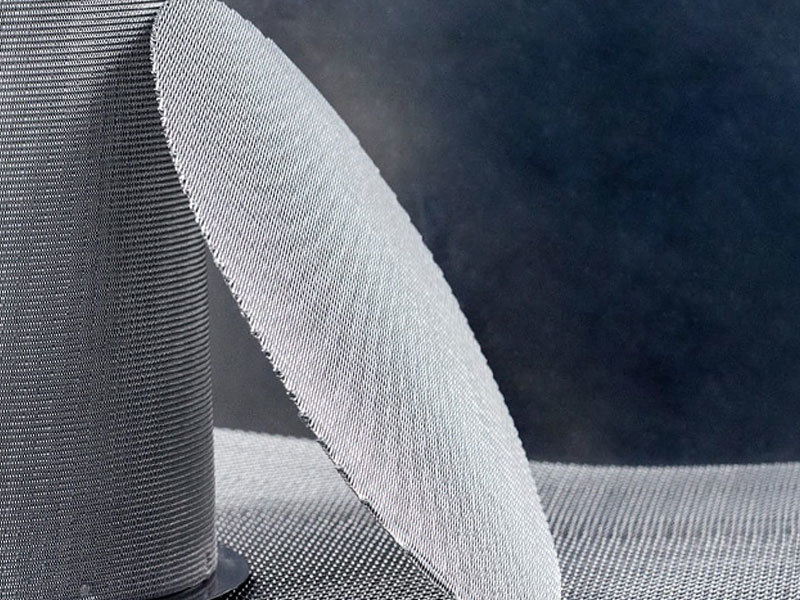
Brass wire mesh has become one of the most versatile and indispensable materials in contemporary industrial applications. Formed from an alloy of copper and zinc, brass combines strength, durability, corrosion resistance, and aesthetic appeal, making it suitable for a wide range of uses. Its unique properties have led to growing adoption across industries including construction, electronics, filtration, interior design, and protective solutions. Over the past decade, the demand for brass wire mesh has surged due to its ability to meet both functional and design requirements while also supporting sustainability initiatives

In industrial filtration, brass wire mesh is widely recognized for its performance and reliability. Its resistance to corrosion and high temperatures allows it to withstand harsh chemical environments and mechanical stress without degrading. Fine brass mesh can filter particles with high precision, which is particularly valuable in industries such as chemical processing, food production, water treatment, and petroleum manufacturing. This adaptability enables manufacturers to produce highly customized filtration systems tailored to specific operational needs, improving efficiency and reducing maintenance costs.
In architecture and interior design, brass wire mesh has increasingly gained popularity for its visual appeal and practicality. Its golden metallic sheen and polished surface make it an ideal material for facades, decorative panels, room dividers, ceilings, and furniture accents. Designers value the material for its ability to balance aesthetics with functionality, providing airflow, light diffusion, and security features. The durability and corrosion resistance of brass mesh ensure long-term performance, even in outdoor or high-traffic applications, making it a preferred choice for sustainable and visually striking design solutions

In electronics and protective applications, brass wire mesh plays a critical role. It is frequently used for electromagnetic shielding, preventing interference from external electromagnetic fields and safeguarding sensitive components in communication devices, computers, and industrial machinery. Additionally, brass mesh serves as protective screens and guards for machinery, combining strength and flexibility to enhance workplace safety. Its resilience under mechanical pressure and ability to maintain shape over time make it a superior alternative to other metallic meshes in demanding industrial environments.
The manufacturing process of brass wire mesh involves precision wire drawing, weaving, and sometimes welding, with advanced techniques such as electro-polishing, coating, or heat treatment applied to enhance both durability and visual quality. Customization options, including mesh size, wire diameter, panel dimensions, and surface finish, allow industries to develop specialized solutions for specific applications. Furthermore, brass wire mesh supports sustainability efforts, as it is fully recyclable. Scraps and obsolete panels can be melted and reformed into new products, reducing industrial waste and contributing to environmentally responsible practices.
In conclusion, brass wire mesh represents the convergence of strength, functionality, versatility, and visual appeal. Its applications span industrial filtration, architectural aesthetics, electronics, and protective solutions, demonstrating its capacity to meet the complex demands of modern industries. With ongoing technological innovation and a focus on sustainable production, brass wire mesh is poised to remain an essential material for industries seeking performance, durability, and elegance in their solutions.
TAG:
Related Posts
Information about applications of woven wire mesh



No. 56, Weiyi Road, East of Economic Development Zone, Anping, Hebei, China.