Weave Metal Mesh: A Versatile Material Powering Industry, Architecture, and Design
2026-01-16


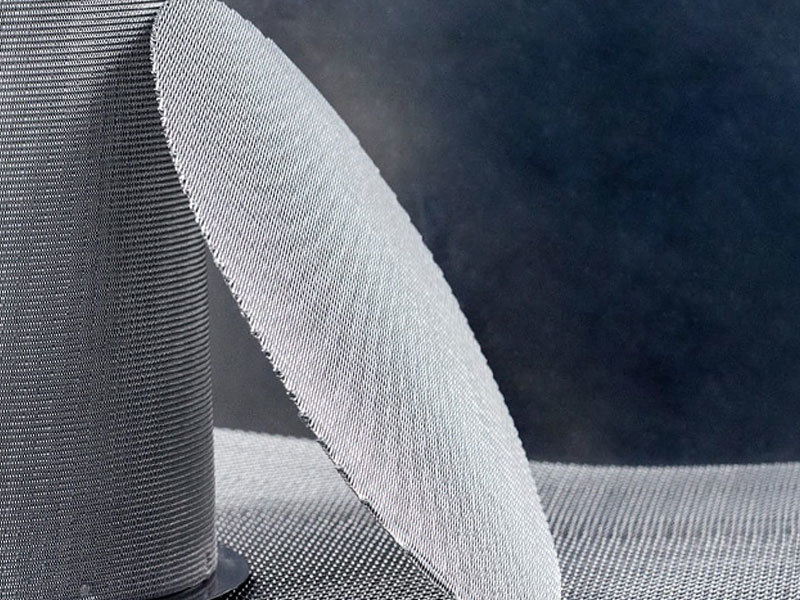
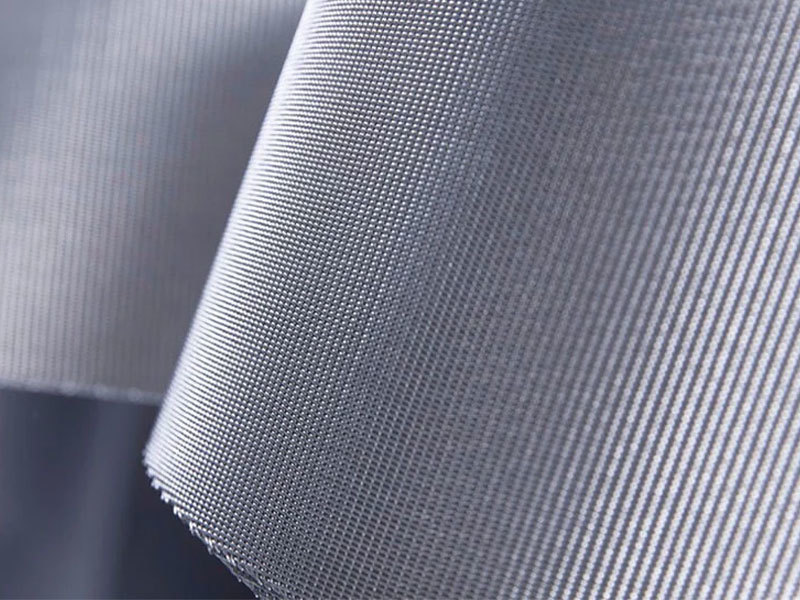
Weave metal mesh is a highly versatile and widely used material across numerous industries, valued for its structural strength, flexibility, durability, and functional aesthetics. Produced by interlacing metal wires in specific patterns, woven metal mesh offers controlled openings, reliable performance, and excellent adaptability to both industrial and decorative applications.
The manufacturing process of woven metal mesh involves precision weaving techniques such as plain weave, twill weave, Dutch weave, herringbone weave, and custom patterns. Each weaving method provides distinct characteristics in terms of strength, filtration accuracy, flexibility, and appearance. This allows woven metal mesh to be engineered precisely to meet specific application requirements, ranging from fine filtration to heavy-duty structural support.

Woven metal mesh can be fabricated from a wide variety of materials, including stainless steel, carbon steel, galvanized steel, aluminum, copper, brass, nickel alloys, and specialty metals. Among these, stainless steel woven mesh is particularly popular due to its excellent corrosion resistance, high temperature tolerance, and long service life. These properties make it ideal for demanding environments such as chemical processing, oil and gas, food and beverage production, pharmaceuticals, and marine applications.
In industrial settings, woven metal mesh plays a critical role in filtration, separation, screening, and protection systems. It is commonly used in liquid and gas filtration, particle separation, vibration screening, and catalyst support. The consistent mesh openings and stable structure ensure reliable performance, while the metal construction allows it to withstand high pressure, abrasion, and extreme operating conditions.

Beyond industrial uses, woven metal mesh has gained increasing popularity in architectural and interior design applications. Architects and designers value its ability to combine transparency, ventilation, and light transmission with structural integrity. Woven metal mesh is widely used in building facades, sunshades, ceilings, partitions, railings, and decorative panels. Its modern, industrial aesthetic enhances visual appeal while maintaining functional performance.
Customization is one of the key advantages of woven metal mesh. Parameters such as wire diameter, mesh count, opening size, material type, surface finish, and panel dimensions can all be tailored to meet project-specific needs. Surface treatments including polishing, powder coating, anodizing, electroplating, and coloring further expand design possibilities and improve corrosion resistance or decorative value.
Sustainability is another important factor driving the growing demand for woven metal mesh. Metal mesh products are recyclable, durable, and reusable, aligning with modern environmental standards and green construction practices. Their long lifespan reduces replacement frequency, lowering overall material consumption and maintenance costs.
With ongoing advancements in manufacturing technology, woven metal mesh continues to evolve in performance and application scope. High-precision weaving equipment and quality control systems ensure consistent mesh accuracy, uniform strength, and reliable quality. As industries increasingly seek materials that balance performance, aesthetics, and sustainability, woven metal mesh remains a preferred solution.
In conclusion, weave metal mesh is a multifunctional material that bridges the gap between industrial performance and architectural design. Its strength, versatility, customization potential, and visual appeal make it indispensable across a wide range of industries. As global demand for innovative and durable materials continues to rise, woven metal mesh will play an increasingly vital role in shaping modern engineering and design solutions.
TAG:
Related Posts
Information about applications of woven wire mesh



No. 56, Weiyi Road, East of Economic Development Zone, Anping, Hebei, China.