Dutch Weave Wire Mesh Enhances Precision Filtration and Industrial Efficiency Across Modern Applications
2026-04-17


As industries increasingly demand high-precision filtration, durable screening materials, and reliable process control, Dutch weave wire mesh is becoming an essential solution in a wide range of industrial sectors. Known for its dense weave structure, excellent strength, and superior filtration performance, Dutch weave wire mesh is widely used in chemical processing, petroleum refining, pharmaceuticals, food production, aerospace, and water treatment. Its ability to provide precise filtration while maintaining structural stability makes it a key material in modern industrial systems.

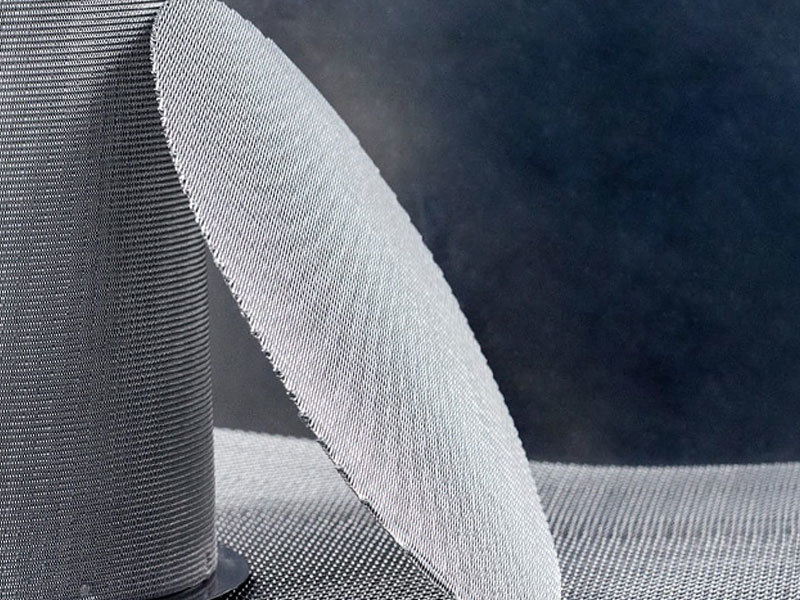
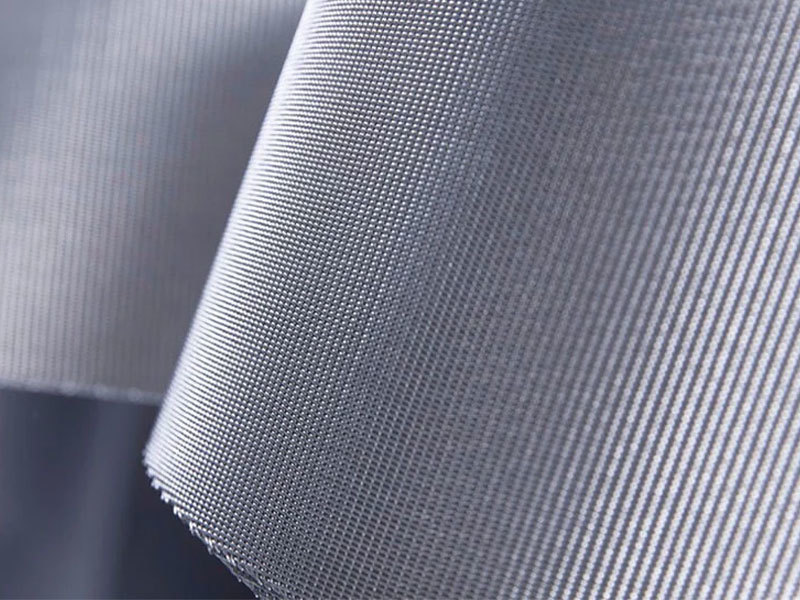
Dutch weave wire mesh is a specialized woven wire cloth made by interlacing warp and weft wires with different diameters and spacing. Unlike standard plain weave mesh, Dutch weave uses thicker warp wires and finer weft wires, creating a tighter mesh structure with smaller openings. This unique design allows for excellent particle retention, high filtration accuracy, and strong load-bearing capacity.
One of the main advantages of Dutch weave wire mesh is its outstanding filtration precision. In industrial processes where fine particles, contaminants, or impurities must be separated from liquids, gases, or powders, precise filtration is critical. Dutch weave mesh can effectively filter microscopic particles while maintaining stable flow, helping improve product quality and process consistency.

High mechanical strength is another important benefit. The dense weave structure provides strong resistance to pressure, tension, and deformation. This makes Dutch weave wire mesh suitable for demanding environments such as high-pressure filtration systems, hydraulic equipment, and industrial screening applications where durability is essential.
Corrosion resistance is also a key reason for its popularity. Dutch weave wire mesh is commonly made from stainless steel, brass, copper, nickel, Monel, and other corrosion-resistant alloys. These materials allow it to perform reliably in harsh environments involving chemicals, moisture, salt exposure, high temperatures, or acidic conditions. This extends service life and reduces maintenance requirements.
The chemical and petrochemical industries are among the largest users of Dutch weave wire mesh. In these sectors, filtration systems must handle aggressive fluids, solvents, oils, and catalysts while maintaining process purity. Dutch weave mesh is widely used in filter discs, candle filters, extruder screens, and separator elements to ensure efficient filtration and safe operation.
Oil and gas applications also benefit significantly from Dutch weave wire mesh. In drilling, refining, hydraulic systems, and pipeline operations, reliable filtration helps protect equipment, reduce wear, and improve system efficiency. The mesh’s strength and resistance to pressure make it ideal for critical industrial environments.
The pharmaceutical and medical industries also rely on Dutch weave mesh for clean and accurate filtration. In drug production, laboratory systems, sterile processing, and medical equipment, precise filtration is necessary to ensure purity, compliance, and safety. Dutch weave mesh helps manufacturers meet strict quality standards.
Food and beverage production is another important application area. Dutch weave wire mesh is used in processing systems for filtering oils, syrups, beverages, dairy products, and food ingredients. Its hygienic materials, smooth surface, and fine filtration capabilities support safe and efficient food manufacturing.
Water treatment and environmental protection industries are increasingly using Dutch weave mesh. It is used in filtration systems, membrane supports, sludge treatment, and pollutant separation processes. As industries focus more on sustainability and clean water, demand for reliable filtration materials continues to grow.
Aerospace, automotive, and advanced manufacturing sectors also use Dutch weave mesh in specialized filtration and protection systems. Applications include fuel filtration, air intake systems, hydraulic components, battery systems, and industrial automation equipment. Its ability to perform in high-precision and high-stress environments makes it valuable in advanced engineering.
Customization is a major advantage of Dutch weave wire mesh. Manufacturers can offer different weave types such as plain Dutch weave, twill Dutch weave, and reverse Dutch weave depending on filtration needs, pressure requirements, and flow characteristics. Custom mesh counts, wire diameters, widths, roll lengths, and material types allow solutions for specific applications.
Modern manufacturing technology has significantly improved Dutch weave wire mesh quality. Precision weaving machines, tighter tolerance control, improved wire materials, and advanced inspection systems ensure consistent opening sizes, flat surfaces, and strong structural integrity. This improves reliability in demanding industrial systems.
Long service life and low maintenance are important cost-saving factors. Although Dutch weave wire mesh may have a higher upfront cost than simpler filtration materials, its durability, reusability, and reliable performance often provide better long-term value. Reduced replacement frequency and lower downtime help improve overall operational efficiency.
As industries move toward automation and smart manufacturing, demand for reliable filtration components continues to rise. Dutch weave wire mesh supports efficient process control, better product quality, and safer system performance. It is also increasingly integrated into automated filtration equipment and customized industrial systems.
Looking ahead, Dutch weave wire mesh is expected to see continued growth with the expansion of precision manufacturing, clean energy, water treatment, and advanced processing industries. Improved materials, finer filtration capabilities, and more sustainable production methods will further strengthen its market role.
In conclusion, Dutch weave wire mesh has become a critical material for modern precision filtration and industrial efficiency. With its dense structure, excellent strength, corrosion resistance, and customizable performance, it helps industries achieve cleaner processes, better equipment protection, and higher productivity. As industrial standards continue to rise, Dutch weave wire mesh will remain a trusted solution across global markets.
TAG:
Related Posts
Information about applications of woven wire mesh



No. 56, Weiyi Road, East of Economic Development Zone, Anping, Hebei, China.