Herringbone Weave Mesh Innovation Expands Industrial Filtration, Architecture, and Engineering Applications Worldwide
2026-04-24


In modern industrial materials engineering, mesh structures play a crucial role in filtration, separation, reinforcement, and protection systems. Among the many advanced weaving patterns, herringbone weave mesh has emerged as a highly specialized and versatile material that combines structural strength, stability, and aesthetic appeal. Its distinctive V-shaped weaving pattern not only enhances mechanical performance but also improves flow distribution, making it suitable for a wide range of demanding applications across industries such as chemical processing, construction, aerospace, and environmental engineering.
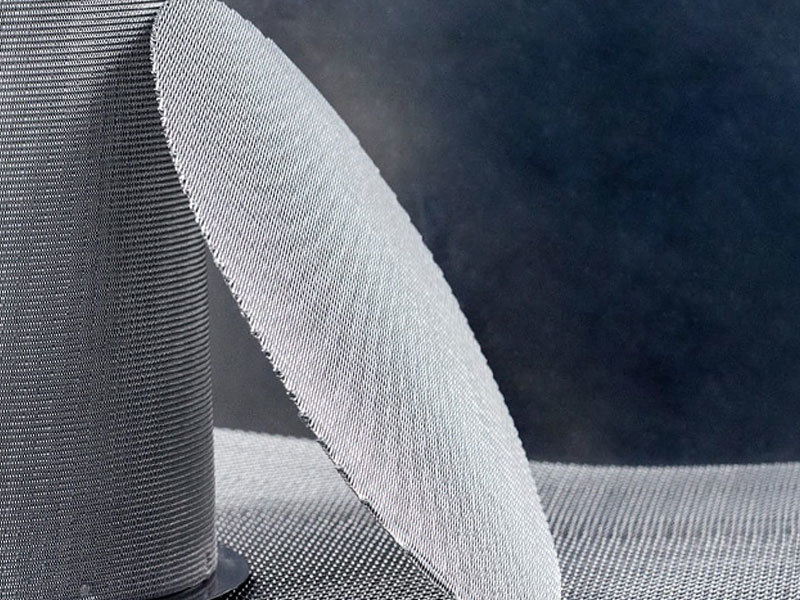
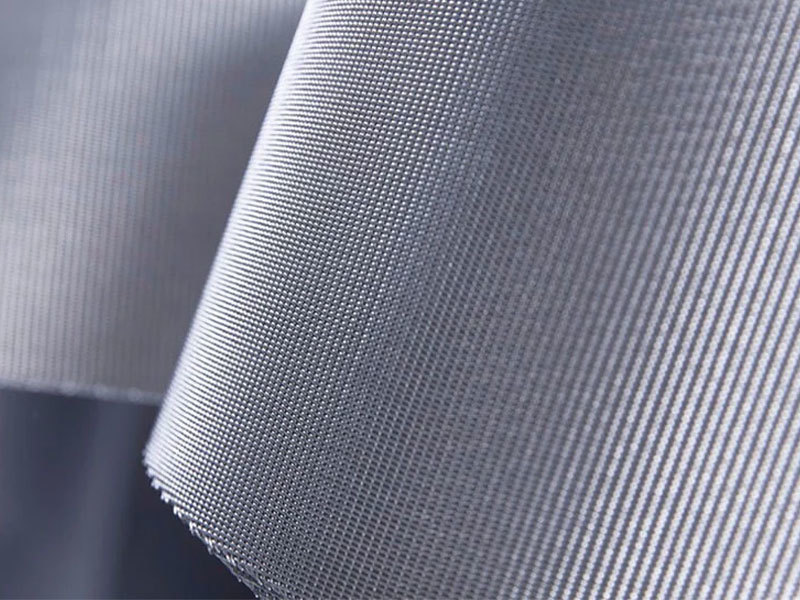
Herringbone weave mesh is characterized by its unique zigzag or broken twill pattern, where wires are interlaced in alternating directions to form a continuous V-shaped structure. This configuration provides superior load distribution compared to plain or standard twill weaves. The interlocking geometry enhances tensile strength, resistance to deformation, and overall stability under high-pressure or high-flow conditions. As a result, the mesh maintains structural integrity even in harsh operational environments

One of the primary applications of herringbone weave mesh is in industrial filtration systems. It is widely used in oil and gas processing, chemical manufacturing, and water treatment facilities where precise particle separation is required. The mesh’s consistent pore structure allows for efficient filtration while minimizing clogging and pressure drop. In high-temperature or corrosive environments, materials such as stainless steel, nickel alloys, or titanium are often used to ensure durability and long service life.
In addition to filtration, herringbone weave mesh is increasingly utilized in architectural and decorative applications. Modern building design often incorporates metal mesh panels for facades, sunshades, ceilings, and interior partitions. The herringbone pattern provides a visually dynamic texture that enhances aesthetic appeal while maintaining functionality such as ventilation, light diffusion, and privacy control. Architects and designers value this material for its ability to combine industrial strength with elegant visual effects.

The manufacturing process of herringbone weave mesh requires high precision and advanced weaving technology. Automated looms are used to interlace metal wires in specific angular patterns, ensuring uniformity and consistency across large production batches. Quality control is essential, as even minor deviations in wire tension or spacing can affect performance characteristics. Post-processing treatments such as annealing, surface polishing, or coating may be applied to enhance corrosion resistance and mechanical properties.
Material selection plays a critical role in determining the performance of herringbone weave mesh. Stainless steel grades such as 304, 316, and 316L are commonly used due to their excellent corrosion resistance and mechanical strength. In more specialized applications, high-performance alloys such as Inconel or Monel may be selected for extreme temperature or chemical exposure environments. These material choices ensure that the mesh performs reliably under diverse operating conditions.
Another important advantage of herringbone weave mesh is its adaptability to customized specifications. Manufacturers can adjust wire diameter, mesh density, aperture size, and roll dimensions according to specific project requirements. This flexibility makes it suitable for both large-scale industrial installations and precision-engineered components. Customization also extends to surface treatments, including electro-polishing, coating, or anti-fouling finishes.
In environmental engineering, herringbone weave mesh is used in air and liquid filtration systems designed to reduce pollution and improve sustainability. Its efficient separation capabilities help remove contaminants from industrial emissions and wastewater streams, contributing to regulatory compliance and environmental protection efforts. As global environmental standards become more stringent, demand for high-performance filtration materials continues to grow.
The mechanical properties of herringbone weave mesh also make it suitable for reinforcement applications in composite materials. It can be embedded within polymer matrices, concrete structures, or insulation systems to enhance strength and durability. This application is particularly valuable in aerospace, automotive, and construction industries where lightweight yet strong materials are required.
From a design perspective, the herringbone pattern offers a balance between rigidity and flexibility. The interwoven structure allows controlled deformation under stress while maintaining overall integrity. This characteristic is especially important in dynamic environments where materials are subject to vibration, pressure fluctuations, or thermal expansion.
Looking toward the future, advancements in material science and manufacturing technology are expected to further expand the capabilities of herringbone weave mesh. Innovations such as nano-coatings, smart responsive materials, and hybrid metal-polymer structures may enhance performance in filtration efficiency, corrosion resistance, and structural adaptability. Additionally, digital manufacturing and AI-driven quality control systems are likely to improve production precision and customization capabilities.
In conclusion, herringbone weave mesh represents a highly engineered material that combines strength, functionality, and design versatility. Its applications span across industrial filtration, architectural design, environmental protection, and structural reinforcement. As industries continue to demand higher performance and sustainability, this advanced mesh technology will play an increasingly important role in shaping modern engineering solutions.
TAG:
Related Posts
Information about applications of woven wire mesh


No. 56, Weiyi Road, East of Economic Development Zone, Anping, Hebei, China.