Alloy Metal Knitted Mesh Accelerates Innovation in High-Performance Industrial Applications
2026-03-06


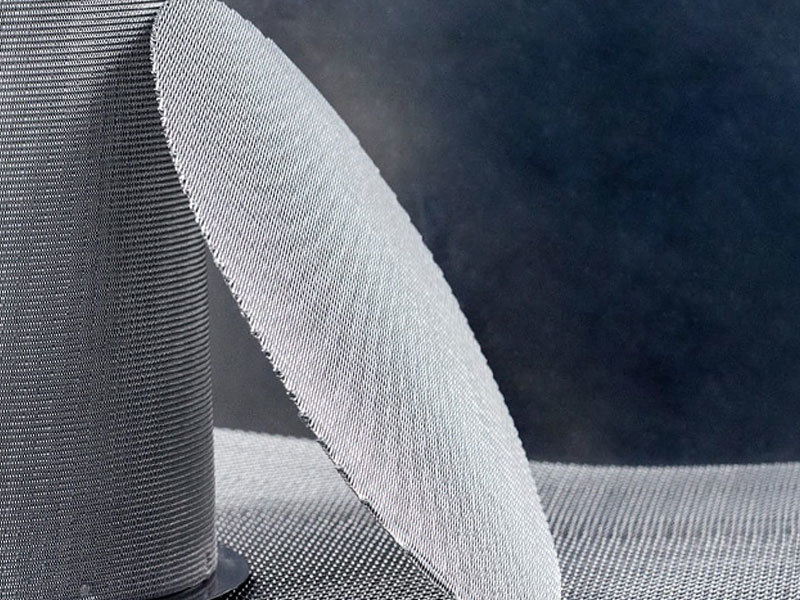
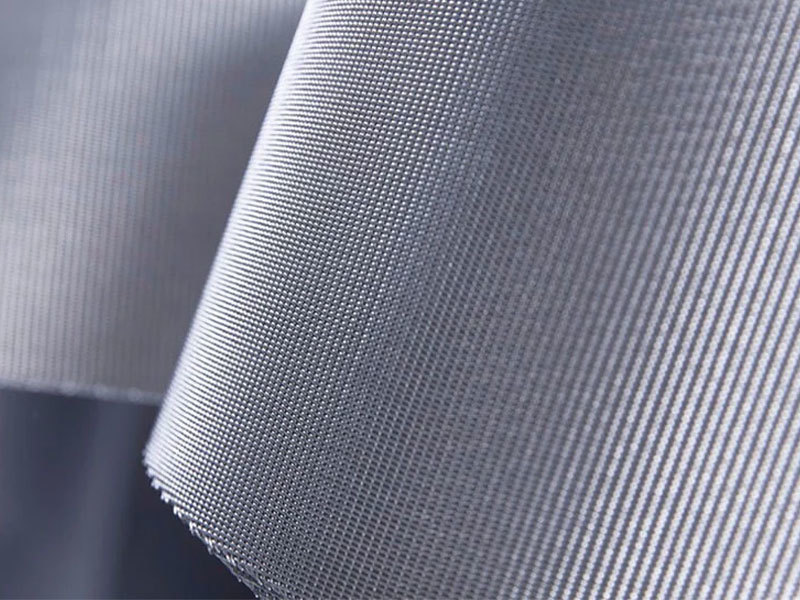
Alloy metal knitted mesh is emerging as a critical material in advanced industrial and engineering sectors where strength, flexibility, corrosion resistance, and thermal stability must coexist within a single solution. Produced through a specialized knitting process that interlocks continuous metal alloy wires into a resilient looped structure, alloy metal knitted mesh differs significantly from traditional woven mesh. Its three-dimensional interconnected loops provide elasticity, compressibility, and enhanced surface contact, enabling it to perform effectively in demanding mechanical, chemical, and thermal environments. As industries move toward higher efficiency standards and more complex system integration, alloy metal knitted mesh is becoming an indispensable component across filtration, sealing, vibration damping, shielding, and catalytic support applications.

The defining characteristic of alloy metal knitted mesh lies in the versatility of alloy selection. Depending on application requirements, manufacturers utilize stainless steel alloys, nickel-based alloys, Monel, Inconel, titanium alloys, and other specialty metals. Each alloy offers unique performance advantages such as superior corrosion resistance, high-temperature tolerance, oxidation resistance, or enhanced mechanical strength. In petrochemical processing plants, for example, nickel-based alloy knitted mesh withstands extreme heat and aggressive chemical exposure while maintaining structural integrity. In marine engineering, corrosion-resistant alloys provide long service life in saltwater conditions. This adaptability allows engineers to precisely match material properties with operational demands, ensuring both safety and durability in critical systems.

One of the most significant applications of alloy metal knitted mesh is in filtration and separation technology. Its looped, porous structure creates a highly efficient medium for gas-liquid separation, particle filtration, and mist elimination. In industrial exhaust systems, knitted mesh demisters remove fine droplets and aerosols from air streams, improving environmental compliance and protecting downstream equipment. In refineries and chemical plants, the mesh facilitates vapor-liquid separation processes essential to maintaining production efficiency. Compared to rigid filtration media, the compressible structure of knitted mesh allows for easier installation and improved sealing within filtration assemblies. The material’s mechanical resilience ensures consistent performance even under fluctuating pressure and temperature conditions.
In sealing and gasketing applications, alloy metal knitted mesh demonstrates exceptional reliability. When compressed between two surfaces, the mesh forms a dense yet flexible barrier capable of compensating for irregularities and movement. This makes it ideal for high-temperature exhaust systems, turbine assemblies, and heavy industrial machinery. The elasticity of the knitted loops absorbs vibration and thermal expansion while maintaining contact integrity. For industries such as aerospace and power generation, where operational reliability is non-negotiable, alloy metal knitted mesh provides a balance of mechanical strength and adaptability that conventional materials may struggle to achieve.
Electromagnetic interference shielding is another important field benefiting from alloy metal knitted mesh. In electronic enclosures and defense equipment, specialized alloy meshes ensure effective grounding and signal protection. The conductive network formed by interlocked metal loops creates multiple contact points, enhancing shielding performance and reducing signal leakage. High-performance alloys further extend shielding capabilities into extreme environments where temperature fluctuations or corrosive conditions would degrade standard materials. As electronic systems become increasingly sophisticated and sensitive, demand for durable shielding solutions continues to rise, reinforcing the importance of alloy-based knitted mesh technologies.
Beyond industrial functionality, alloy metal knitted mesh is finding a place in architectural and design applications that require both performance and aesthetic distinction. The metallic texture and structural flexibility of alloy mesh panels allow architects to design façades, shading systems, and interior features that combine transparency with strength. Unlike rigid metal sheets, knitted mesh can adapt to curved surfaces and complex geometries, enabling creative freedom in modern construction. Certain alloys develop distinctive surface finishes over time, contributing to the visual character of buildings while preserving long-term durability. This intersection of engineering precision and design expression underscores the material’s expanding role beyond purely mechanical applications.
Sustainability considerations further enhance the appeal of alloy metal knitted mesh. Many metal alloys are recyclable, and their long operational lifespan reduces material turnover and maintenance frequency. High resistance to corrosion and wear minimizes replacement cycles, contributing to lower life-cycle costs and environmental impact. In energy-intensive industries, efficient separation and filtration supported by knitted mesh components can reduce emissions and improve resource utilization. Manufacturers are also optimizing production processes to reduce waste and improve energy efficiency, aligning alloy metal knitted mesh solutions with global sustainability objectives.
Technological advancements continue to refine knitting precision and alloy processing techniques. Modern manufacturing equipment ensures consistent loop density, uniform wire diameter distribution, and controlled compression characteristics. Customization options allow clients to specify mesh density, thickness, and structural reinforcement to meet exact project specifications. Ongoing research explores hybrid designs that integrate alloy metal knitted mesh with composite materials, expanding performance boundaries in fields such as renewable energy systems, hydrogen production infrastructure, and advanced transportation technologies. These innovations signal continued growth potential as industries seek materials capable of withstanding increasingly challenging operational environments.
Market trends indicate steady expansion in demand for alloy metal knitted mesh, driven by growth in petrochemical refining, aerospace engineering, marine construction, renewable energy, and advanced manufacturing sectors. As global infrastructure projects emphasize safety, durability, and efficiency, materials that deliver multi-functional performance gain strategic importance. Alloy metal knitted mesh meets these expectations by combining mechanical resilience, corrosion resistance, thermal stability, and structural adaptability within a single engineered product.
As industrial systems evolve toward higher performance standards and environmental accountability, alloy metal knitted mesh stands out as a material capable of bridging technical demands with long-term reliability. Its ability to function across extreme temperatures, corrosive atmospheres, and high-vibration conditions ensures relevance in the most demanding applications. From heavy industry to cutting-edge engineering innovation, alloy metal knitted mesh continues to expand its footprint as a core material shaping the future of modern industrial solutions.
TAG:
Related Posts
Information about applications of woven wire mesh



No. 56, Weiyi Road, East of Economic Development Zone, Anping, Hebei, China.