Copper Knitted Mesh Expands Its Role in Modern Industry and Architectural Innovation
2026-03-06


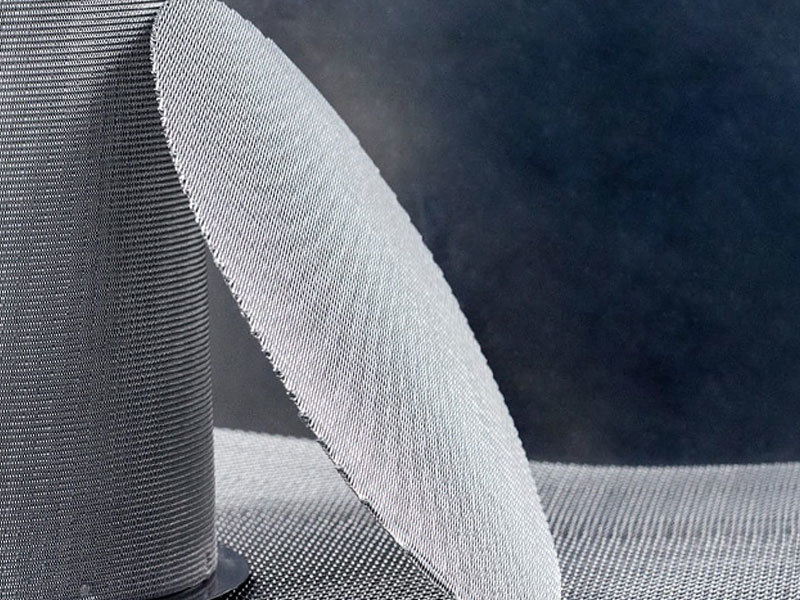
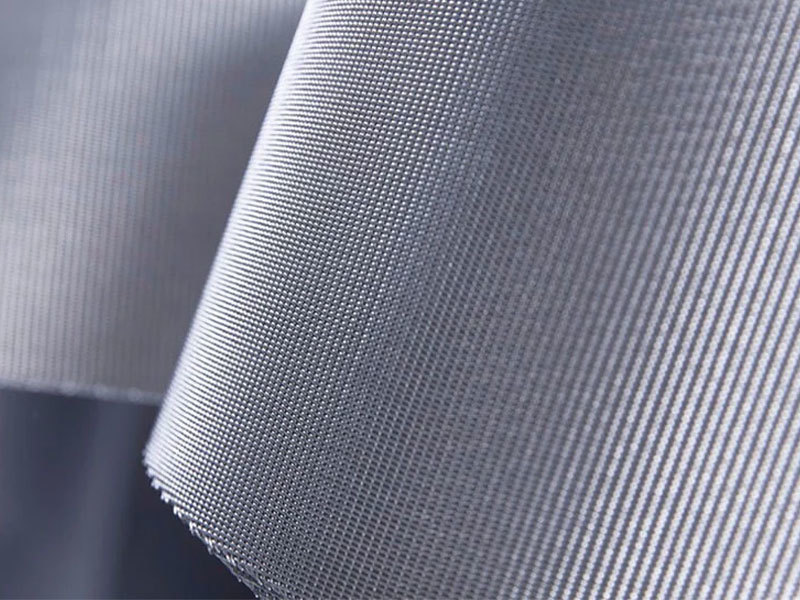
Copper knitted mesh is gaining significant attention across industrial and architectural sectors due to its exceptional flexibility, conductivity, corrosion resistance, and aesthetic appeal. Manufactured through an advanced knitting process rather than traditional weaving, copper knitted mesh is formed by interlocking loops of fine copper wire into a continuous, elastic structure. This distinctive construction method gives the material superior adaptability, compressibility, and surface contact performance compared to woven mesh. As industries seek multifunctional materials capable of meeting technical, environmental, and design requirements, copper knitted mesh has emerged as a reliable and innovative solution in a wide range of applications including electromagnetic shielding, filtration, sealing, vibration control, and decorative design.

One of the primary advantages of copper knitted mesh lies in its excellent electrical conductivity and electromagnetic interference shielding capability. In electronic equipment, telecommunications systems, and data centers, electromagnetic interference can disrupt signal stability and reduce performance. Copper knitted mesh is widely used as a shielding gasket and grounding component because its looped structure creates multiple contact points, ensuring consistent conductivity and effective EMI protection. The mesh can be compressed to fit complex shapes while maintaining reliable electrical continuity, making it ideal for enclosures, cabinets, and sensitive electronic housings. As the demand for high-frequency communication technologies and advanced electronic devices continues to grow, the role of copper knitted mesh in maintaining signal integrity becomes increasingly critical.
Beyond electronics, copper knitted mesh is extensively applied in filtration and separation systems. Its porous yet durable structure allows fluids and gases to pass through while capturing particles or contaminants. In industrial exhaust systems, copper mesh can function as a demister pad, removing oil mist and fine droplets from air streams. In chemical processing and petrochemical facilities, it assists in separating liquid and vapor phases efficiently. The corrosion resistance of copper, especially in humid and marine environments, ensures long-term operational stability. Additionally, copper’s natural antimicrobial properties provide added value in air purification and ventilation systems, where hygiene and environmental safety are essential considerations.

In mechanical and automotive engineering, copper knitted mesh plays a crucial role in vibration damping and noise reduction. Its flexible, spring-like structure absorbs mechanical shock and reduces resonance in engines, generators, and heavy equipment. When used as an exhaust flex joint component, the mesh accommodates thermal expansion and movement while maintaining structural integrity. The ability to withstand high temperatures and repeated compression makes copper knitted mesh suitable for demanding industrial conditions. Engineers appreciate its lightweight nature combined with strength, which allows for efficient integration into compact systems without adding excessive bulk.
Architectural and interior design sectors have also embraced copper knitted mesh for its distinctive visual texture and warm metallic tone. The reflective quality of copper creates dynamic lighting effects in façades, partitions, and decorative panels. Designers utilize the material to achieve a balance between transparency and enclosure, offering both airflow and partial screening. Over time, copper develops a natural patina that enhances its aesthetic character, making each installation unique. Whether applied in contemporary commercial spaces or cultural landmarks, copper knitted mesh adds both functional performance and artistic expression to modern design projects.
Sustainability considerations further strengthen the appeal of copper knitted mesh. Copper is highly recyclable without losing its intrinsic properties, supporting circular economy principles. The long lifespan of knitted mesh products reduces the need for frequent replacement, lowering material consumption and maintenance costs. Manufacturing processes have also improved in efficiency, minimizing waste and optimizing resource use. As industries worldwide prioritize environmentally responsible materials, copper knitted mesh aligns with green building standards and sustainable engineering practices.
Technological advancements continue to refine the production and performance of copper knitted mesh. Precision knitting machines enable consistent loop formation and customizable density levels, allowing manufacturers to tailor compression strength, porosity, and conductivity according to specific project requirements. Surface treatments and composite integrations further expand its functional capabilities, such as combining copper mesh with elastomers to create enhanced sealing components. Research and development efforts are exploring new applications in renewable energy systems, electric vehicles, and smart infrastructure, where conductivity and durability are critical factors.
Market analysts observe steady global growth in demand for copper knitted mesh, driven by expansion in electronics manufacturing, industrial automation, and architectural innovation. Emerging economies investing in infrastructure development and high-tech production facilities contribute to increased consumption of advanced materials like knitted copper mesh. Its versatility enables cross-industry adoption, reducing dependency on single-function components and promoting integrated design solutions.
As industries evolve toward greater technological complexity and environmental awareness, materials that combine performance, adaptability, and sustainability become increasingly valuable. Copper knitted mesh exemplifies this balance, offering electrical efficiency, mechanical resilience, filtration capability, and aesthetic sophistication within a single material system. From shielding sensitive electronic devices to enhancing architectural creativity, copper knitted mesh continues to expand its influence across modern engineering and design landscapes. With ongoing innovation and growing global demand, it is poised to remain an essential material in both industrial advancement and creative architectural expression.
TAG:
Related Posts
Information about applications of woven wire mesh



No. 56, Weiyi Road, East of Economic Development Zone, Anping, Hebei, China.