Weave Metal Mesh Shapes the Future of Modern Construction and Industrial Solutions
2026-02-26


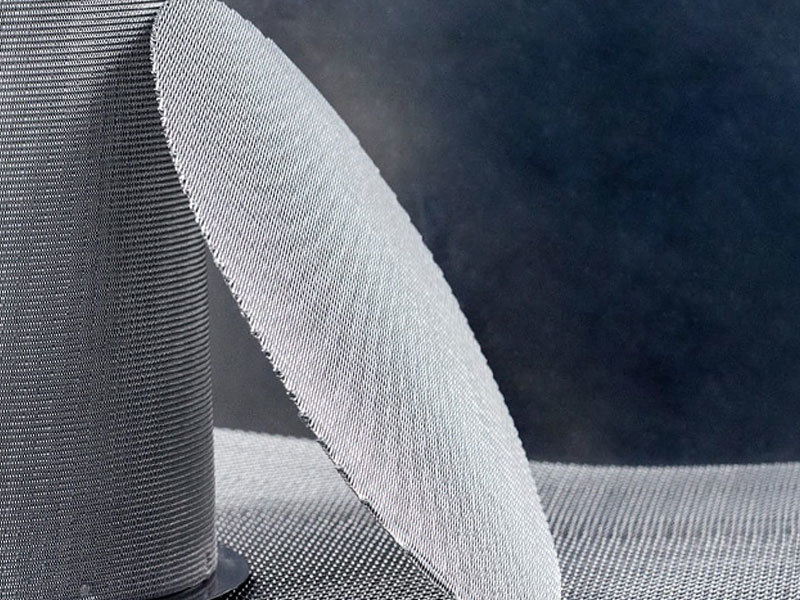
Weave metal mesh is rapidly emerging as one of the most versatile and visually compelling materials in modern architecture and industrial manufacturing. Combining structural strength with aesthetic flexibility, this engineered material is produced by interlacing metal wires in carefully controlled patterns to create a durable yet breathable surface. From large-scale building façades to precision filtration systems, weave metal mesh has transformed how designers and engineers approach functionality and form. As industries increasingly demand materials that balance performance, sustainability, and visual appeal, woven metal mesh stands out as a solution capable of meeting these complex requirements. Its adaptability allows it to be manufactured in stainless steel, aluminum, brass, copper, and specialty alloys, offering varying degrees of corrosion resistance, tensile strength, and decorative value.

In architectural applications, weave metal mesh has become a defining feature of contemporary building design. Architects value its ability to provide shading, ventilation, and privacy without sacrificing light transmission. Installed as exterior cladding or curtain wall elements, woven mesh panels can reduce solar heat gain while maintaining airflow, contributing to energy efficiency and occupant comfort. The open structure of the mesh allows natural light to filter through, creating dynamic shadow patterns that change throughout the day. In interior environments, woven metal mesh is used for partitions, ceiling features, balustrades, and decorative wall panels. Its reflective qualities and customizable weave patterns enable designers to achieve both industrial and luxurious aesthetics, depending on the selected material and finish. The durability of metal ensures long service life, even in high-traffic commercial spaces.
Industrial sectors rely on weave metal mesh for its precision and mechanical reliability. In filtration systems, woven mesh is engineered to achieve specific aperture sizes, allowing it to separate particles, liquids, or gases with high accuracy. Industries such as petrochemical processing, mining, food production, and pharmaceuticals depend on mesh screens for sieving, filtering, and reinforcement applications. The uniformity of the weave pattern ensures consistent performance, while the strength of the metal wires withstands pressure, vibration, and extreme temperatures. In safety applications, woven metal mesh serves as machine guards, protective barriers, and fencing solutions. Its resistance to impact and deformation provides reliable protection in factories, warehouses, and public infrastructure.

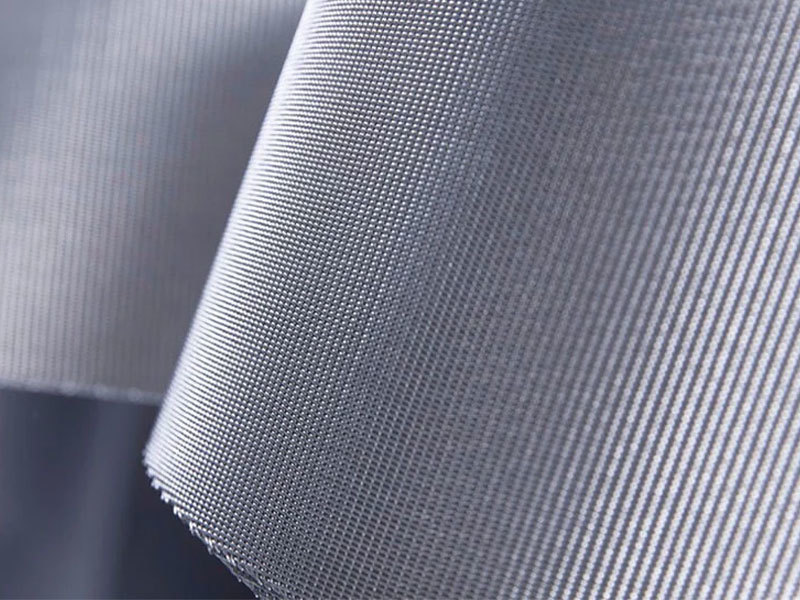
One of the key advantages of weave metal mesh is its customization capability. Manufacturers can adjust wire diameter, weave style, aperture size, and panel dimensions to meet project-specific requirements. Common weave types include plain weave, twill weave, and Dutch weave, each offering distinct performance characteristics. Plain weave provides balanced strength and simplicity, while twill weave accommodates thicker wires and finer filtration. Dutch weave creates tighter openings for high-precision screening. Surface treatments such as polishing, powder coating, anodizing, or electroplating further enhance corrosion resistance and visual appeal. This flexibility enables woven metal mesh to serve both functional engineering purposes and high-end decorative projects.
Sustainability is another driving factor behind the growing popularity of weave metal mesh. Metal materials are inherently recyclable, and many manufacturers incorporate recycled content into production processes. The long lifespan of woven mesh reduces the need for frequent replacement, minimizing material waste over time. In architectural contexts, mesh façades can improve building energy performance by controlling sunlight and reducing reliance on mechanical cooling systems. Additionally, the lightweight nature of woven panels compared to solid metal sheets reduces transportation energy consumption and simplifies installation, lowering overall environmental impact.
Technological advancements continue to expand the capabilities of weave metal mesh. Computer-controlled weaving machines allow for intricate patterns and precise tolerances that were previously difficult to achieve. Digital modeling tools enable architects and engineers to simulate light diffusion, airflow, and structural performance before fabrication begins. As smart building technologies evolve, woven metal mesh is increasingly integrated with lighting systems, acoustic panels, and even photovoltaic components, demonstrating its compatibility with next-generation design concepts. The ability to combine strength, permeability, and visual texture makes it a material uniquely suited to the demands of modern construction and manufacturing.
Looking ahead, the market for weave metal mesh is expected to grow steadily as urbanization, industrial expansion, and sustainable design practices accelerate worldwide. Its combination of resilience, adaptability, and aesthetic value positions it as a foundational material in future infrastructure and product development. Whether enhancing the façade of a landmark building, filtering critical industrial processes, or serving as a decorative interior element, weave metal mesh continues to redefine the boundaries between engineering performance and artistic expression. As innovation drives further refinement in materials science and fabrication techniques, woven metal mesh will remain at the forefront of solutions that merge practicality with design excellence.
TAG:
Related Posts
Information about applications of woven wire mesh



No. 56, Weiyi Road, East of Economic Development Zone, Anping, Hebei, China.