Copper Knitted Mesh: Versatile Solutions for Industrial, EMI Shielding, and Architectural Applications
2026-04-03


Copper knitted mesh is an innovative and highly versatile material widely used in industrial, electronic, and architectural applications. Its unique construction, combining the electrical and thermal properties of copper with a flexible, knitted structure, provides a range of advantages that conventional woven meshes or solid sheets cannot achieve. As industries increasingly seek efficient solutions for shielding, filtration, and decorative applications, copper knitted mesh has emerged as a critical material offering high conductivity, flexibility, and corrosion resistance.

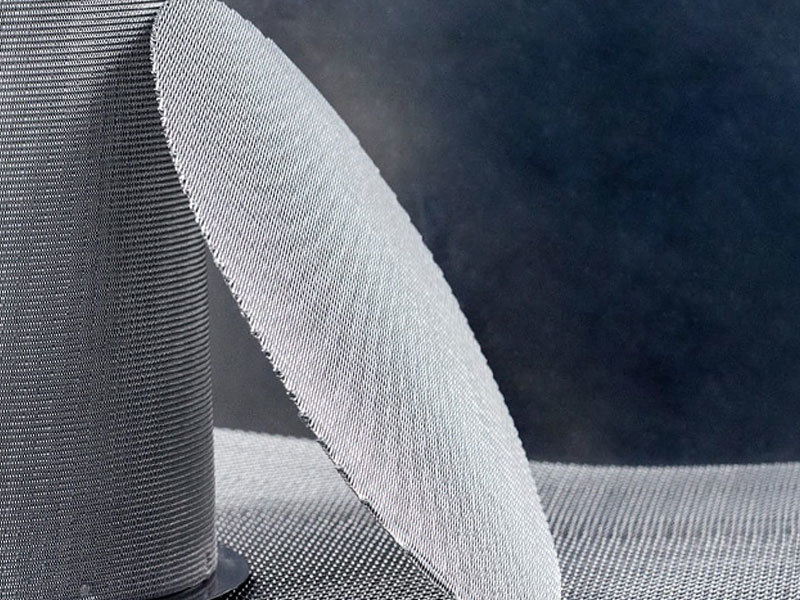
The manufacturing of copper knitted mesh involves interlinking fine copper wires into a looped, knitted pattern. Unlike traditional woven meshes, which have fixed interlacing points, knitted mesh is more flexible and stretchable, allowing it to conform to complex shapes and surfaces. This elasticity makes it ideal for applications requiring intricate fitting or continuous contact with irregular geometries. Copper’s inherent properties, including high electrical and thermal conductivity, combined with the knitted structure, result in a mesh that is not only functional but also adaptable to diverse applications.
One of the primary applications of copper knitted mesh is electromagnetic interference (EMI) and radio-frequency interference (RFI) shielding. In electronic devices, electromagnetic interference can disrupt the performance of sensitive circuits, leading to malfunctions or data loss. Copper knitted mesh effectively blocks unwanted electromagnetic waves while maintaining good electrical grounding, providing reliable shielding for components in aerospace, telecommunications, medical devices, and consumer electronics. Its flexibility allows engineers to wrap, form, or insert mesh into complex enclosures, ensuring complete coverage without compromising design constraints.

In addition to EMI/RFI shielding, copper knitted mesh is widely used in grounding and bonding applications. The high conductivity of copper facilitates efficient dissipation of static electricity or stray currents, reducing the risk of electrical hazards. These meshes are employed in protective enclosures, cable assemblies, and grounding systems, where both electrical performance and mechanical flexibility are essential. The ability to conform to surfaces and maintain consistent electrical contact enhances the safety and reliability of electrical installations in industrial and commercial settings.
Filtration and separation represent another significant area for copper knitted mesh applications. Its open-loop structure allows for excellent fluid and gas flow while capturing unwanted particles. In chemical processing, water treatment, and HVAC systems, copper knitted mesh serves as a durable, corrosion-resistant filter material. The mesh can withstand high temperatures, chemical exposure, and mechanical stress, providing long-term reliability in harsh industrial environments. In oil and gas industries, knitted copper mesh is often used to prevent debris contamination and enhance filtration efficiency in critical processing equipment.
Architectural and decorative applications of copper knitted mesh have grown rapidly due to its aesthetic appeal and functional benefits. The fine, flexible mesh can be integrated into panels, partitions, facades, and ceiling designs, providing texture, transparency, and ventilation while adding a warm metallic finish. Designers utilize copper’s natural patina over time to create visually dynamic spaces, blending durability with artistic expression. Its ability to be formed into curves, angles, or complex geometries enables creative freedom in modern architectural projects.
Customization is a key advantage of copper knitted mesh. Wire diameter, mesh density, surface treatment, and overall dimensions can be tailored to meet specific project or industry requirements. For example, fine meshes with tight loops are ideal for precise EMI shielding or filtration of small particles, whereas larger meshes with thicker wires are suitable for grounding or decorative applications. Surface treatments such as electroplating or oxidation can enhance corrosion resistance, provide color variation, or improve electrical performance, depending on the intended use.
Technological advancements in production methods have further enhanced the capabilities of copper knitted mesh. Automated knitting machinery ensures consistent loop formation, uniform density, and high-quality production at scale. Post-processing techniques, including flattening, plating, and cutting, allow manufacturers to deliver finished products ready for integration into electrical assemblies, filtration units, or architectural panels. These innovations increase efficiency, reduce waste, and expand the range of applications for copper knitted mesh across industries.
The environmental and sustainability advantages of copper knitted mesh are also noteworthy. Copper is fully recyclable, and the knitted structure often requires less material than solid sheets or heavy-duty woven meshes while maintaining functionality. This contributes to reduced material usage and lower environmental impact. In addition, copper’s natural resistance to microbial growth makes it a preferred material in healthcare and food processing applications, supporting hygiene and long-term durability.
Global demand for copper knitted mesh continues to grow across multiple industries. In electronics, the increasing miniaturization and complexity of devices drive the need for flexible, reliable EMI shielding. In industrial and chemical sectors, high-performance filters and grounding solutions remain essential. The architecture and design sectors increasingly adopt copper mesh for its combination of aesthetic value, flexibility, and functional benefits. Manufacturers worldwide are expanding production capacity, offering custom solutions, and enhancing surface treatments to meet diverse and evolving market requirements.
In conclusion, copper knitted mesh is a versatile, high-performance material that bridges the gap between industrial functionality and aesthetic application. Its combination of copper’s electrical and thermal properties with a flexible knitted structure provides unmatched performance in EMI shielding, grounding, filtration, and architectural design. With ongoing innovations in production techniques, customization, and material science, copper knitted mesh is poised to remain an indispensable solution for modern industries seeking efficiency, flexibility, and durability.
TAG:
Related Posts
Information about applications of woven wire mesh



No. 56, Weiyi Road, East of Economic Development Zone, Anping, Hebei, China.