Herringbone Weave Mesh: Advanced Material Solutions for Industrial and Architectural Applications
2026-04-03


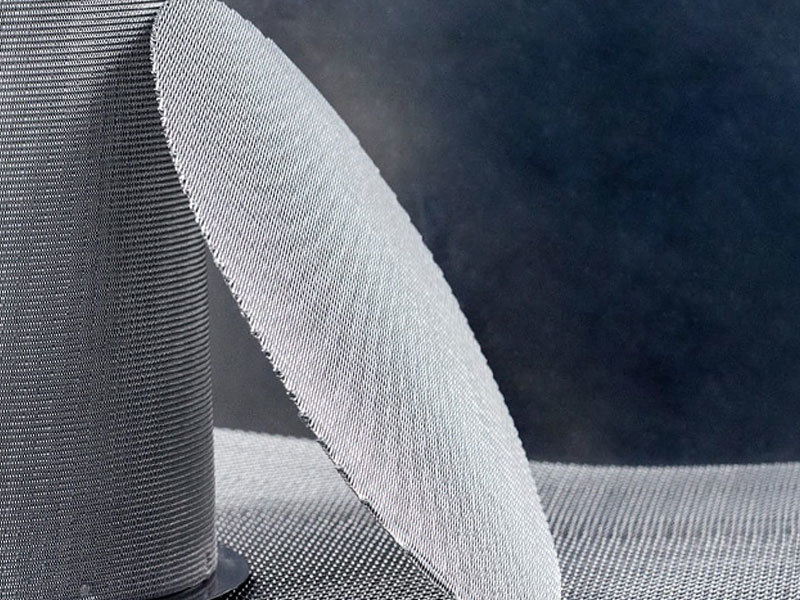
Herringbone weave mesh , a specialized form of woven wire mesh, has gained significant attention in industrial, architectural, and filtration applications due to its unique structure, strength, and versatility. Characterized by a distinctive zigzag pattern resembling a herringbone, this mesh combines aesthetic appeal with practical performance, making it ideal for demanding environments where durability and precision are critical. As industries continue to demand innovative materials, herringbone weave mesh has emerged as a preferred solution in sectors ranging from aerospace and automotive to interior design and chemical processing.

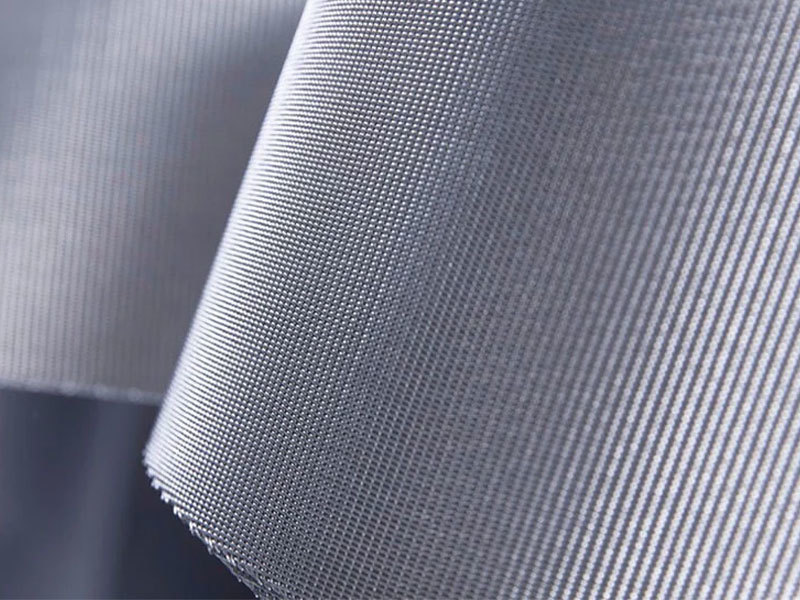
The construction of herringbone weave mesh involves interlacing wires in a V-shaped zigzag pattern, which enhances structural integrity and load distribution compared to conventional plain or twill weaves. This pattern reduces deformation under pressure, providing higher stability and strength in both static and dynamic applications. The mesh can be fabricated from a variety of materials, including stainless steel, brass, copper, aluminum, and specialty alloys, each offering unique advantages such as corrosion resistance, thermal stability, and chemical inertness. Stainless steel herringbone mesh, for example, is widely used in filtration, separation, and industrial sieving due to its excellent durability and resistance to harsh chemicals and high temperatures.
In industrial applications, herringbone weave mesh serves multiple purposes. It is commonly employed in filtration systems for liquids and gases, offering precise particle separation and high flow rates. The V-shaped pattern prevents clogging by allowing trapped particles to settle into the mesh grooves, enhancing efficiency and reducing maintenance requirements. Additionally, its mechanical strength makes it suitable for protective barriers, safety screens, and conveyor belts in manufacturing facilities. Industries such as mining, pharmaceuticals, food processing, and chemical engineering benefit from herringbone weave mesh’s ability to withstand abrasive conditions while maintaining consistent performance.

The versatility of herringbone weave mesh extends to architectural and decorative uses. Its unique pattern and textured surface create visually appealing panels, partitions, and facades. Designers incorporate herringbone mesh in interior and exterior applications, such as cladding, stair railings, balustrades, and furniture, where both functionality and aesthetics are important. Beyond beauty, the mesh provides ventilation, visibility, and light diffusion, making it a practical solution for modern architectural design. Its corrosion-resistant properties ensure long-lasting performance even in outdoor environments or humid conditions.
Customization options for herringbone weave mesh further enhance its applicability. Wire diameter, mesh opening size, material selection, and finish can be tailored to specific project requirements. For example, fine meshes with narrow openings are used in precision filtration or screening of small particles, while larger meshes with thicker wires provide structural support and security applications. Surface finishes such as electro-polishing, powder coating, or plating enhance corrosion resistance, aesthetic appeal, and durability, allowing the mesh to meet both functional and design objectives.
Technological advancements in weaving and fabrication have expanded the potential applications of herringbone weave mesh. Modern automated looms allow for precise and consistent production, ensuring uniformity across large sheets and complex shapes. CNC cutting and bending techniques enable the creation of custom panels and forms that integrate seamlessly into architectural or industrial systems. Furthermore, herringbone weave mesh can be combined with other materials, such as glass, resin, or composite layers, to produce hybrid structures with enhanced mechanical, thermal, and acoustic properties.
In addition to industrial and architectural applications, herringbone weave mesh plays a critical role in environmental and energy sectors. It is used in water treatment plants, oil and gas separation, and air filtration systems due to its ability to filter particles efficiently while maintaining structural integrity under high pressure. In renewable energy applications, herringbone mesh can be used as protective screening for solar panels, wind turbines, or other mechanical components exposed to environmental stress, providing durability and long-term reliability.
Safety and maintenance are key considerations in herringbone weave mesh applications. Its robust structure ensures protection against accidental impact, while the V-shaped weave reduces the accumulation of debris and facilitates easier cleaning. In industrial environments, regular inspections and proper installation practices ensure optimal performance and extend the lifespan of the mesh. With the growing emphasis on sustainability, recyclable metals and environmentally friendly finishing processes further enhance the eco-efficiency of herringbone weave mesh products.
The global demand for herringbone weave mesh continues to grow, driven by industrial expansion, infrastructure development, and architectural innovation. Manufacturers are responding with high-capacity production, material diversification, and custom design services to meet the evolving needs of industries worldwide. From aerospace components requiring high-precision filtering to decorative facades enhancing urban aesthetics, herringbone weave mesh demonstrates exceptional versatility and reliability.
In conclusion, herringbone weave mesh is a versatile material solution that bridges the gap between industrial performance and architectural elegance. Its unique zigzag structure provides enhanced strength, durability, and functionality, while offering aesthetic appeal for modern design applications. With continued innovation in materials, weaving technology, and customization, herringbone weave mesh is set to remain a critical component in filtration, structural, and decorative solutions across global industries.
TAG:
Related Posts
Information about applications of woven wire mesh



No. 56, Weiyi Road, East of Economic Development Zone, Anping, Hebei, China.