Herringbone Weave Mesh: A Versatile Textile Innovation Driving Performance and Design
2026-02-26


Herringbone weave mesh has emerged as a distinctive and highly functional textile structure that combines the classic elegance of herringbone patterns with the breathable performance of mesh construction. As global industries continue to demand materials that balance durability, aesthetics, and technical performance, herringbone weave mesh is gaining recognition across sectors such as fashion, sportswear, industrial filtration, automotive interiors, and architectural applications. Its unique diagonal pattern not only enhances visual appeal but also strengthens structural integrity, making it a preferred option for both decorative and high-performance uses.
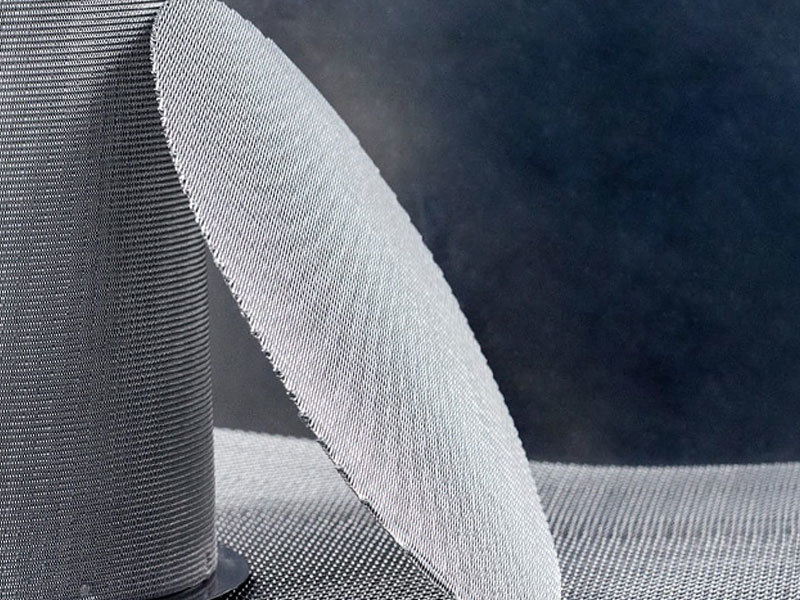
The defining characteristic of herringbone weave mesh lies in its V-shaped weaving pattern, created by reversing the direction of the twill at regular intervals. This arrangement produces a zigzag effect reminiscent of fish bones, from which the name “herringbone” is derived. When applied to mesh construction, this weaving technique introduces improved stability and resistance to distortion compared to plain mesh fabrics. The interlocking yarns distribute tension more evenly across the surface, increasing tensile strength and reducing the likelihood of fraying or deformation under stress.

From a manufacturing perspective, herringbone weave mesh can be produced using a variety of materials including polyester, nylon, stainless steel wire, fiberglass, and blended synthetic fibers. Textile-based versions are commonly used in apparel and upholstery due to their lightweight and breathable qualities, while metal-based herringbone meshes are valued in industrial filtration and reinforcement applications. Advanced weaving technologies and automated looms enable precise control of yarn density, aperture size, and pattern consistency, ensuring reliable quality for specialized performance requirements.
In the fashion and sportswear industry, herringbone weave mesh has become increasingly popular for its combination of style and functionality. Designers appreciate the subtle texture and dimensional depth created by the herringbone pattern, which elevates garments beyond standard mesh aesthetics. At the same time, the open mesh structure promotes airflow and moisture management, supporting comfort during physical activity. Athletic shoes, performance jackets, and activewear panels often incorporate this fabric to achieve a balance between structural support and breathability.

Industrial applications further demonstrate the versatility of herringbone weave mesh. In filtration systems, the diagonal pattern enhances mechanical strength while maintaining consistent pore distribution, allowing efficient separation of particles in air, liquid, or chemical processing environments. Stainless steel herringbone mesh is particularly valued in high-temperature or corrosive conditions where durability is critical. Its stable structure resists deformation under pressure, making it suitable for heavy-duty screening and reinforcement tasks.
In architectural and interior design contexts, herringbone weave mesh contributes both functional and aesthetic value. Metal mesh panels with herringbone patterns are used in façade cladding, ceiling installations, and decorative partitions. The pattern creates dynamic light reflections and shadow effects, adding visual depth to modern spaces. Additionally, the mesh allows controlled ventilation and partial transparency, supporting energy-efficient building strategies. The combination of structural resilience and refined appearance aligns well with contemporary design principles emphasizing minimalism and texture.
The automotive industry has also adopted herringbone weave mesh for seat covers, ventilation panels, and reinforcement layers. The pattern improves fabric durability in high-contact areas while maintaining flexibility and comfort. In electric vehicle design, lightweight materials are essential for efficiency, and advanced mesh textiles contribute to reducing overall vehicle weight without compromising performance.
Sustainability considerations are increasingly influencing material selection across industries, and herringbone weave mesh is evolving to meet these expectations. Manufacturers are developing recycled polyester and eco-friendly synthetic blends to reduce environmental impact. In metal mesh production, improved resource efficiency and recycling practices support circular economy principles. The long service life of herringbone mesh products further enhances sustainability by minimizing replacement frequency and material waste.
Technological advancements continue to expand the capabilities of herringbone weave mesh. Innovations such as nano-coatings, anti-corrosion treatments, and antimicrobial finishes enhance performance in specialized environments. Smart textile integration is also emerging, with conductive fibers incorporated into mesh structures for applications in wearable technology and sensor-enabled systems. These developments position herringbone weave mesh at the intersection of traditional weaving craftsmanship and modern engineering.
Market demand for high-performance, visually distinctive materials suggests strong growth potential for herringbone weave mesh in the coming years. As industries prioritize durability, lightweight construction, and design versatility, this textile structure offers a compelling solution. Its adaptability across fashion, industrial, architectural, and automotive sectors highlights its broad commercial relevance.
In conclusion, herringbone weave mesh represents a fusion of aesthetic sophistication and functional innovation. By integrating a classic weaving pattern with modern mesh technology, it delivers enhanced strength, airflow, and visual character. As manufacturing processes continue to advance and sustainability goals shape material development, herringbone weave mesh is poised to remain an influential component in the evolving landscape of global textiles and engineered materials.
TAG:
Related Posts
Information about applications of woven wire mesh



No. 56, Weiyi Road, East of Economic Development Zone, Anping, Hebei, China.